



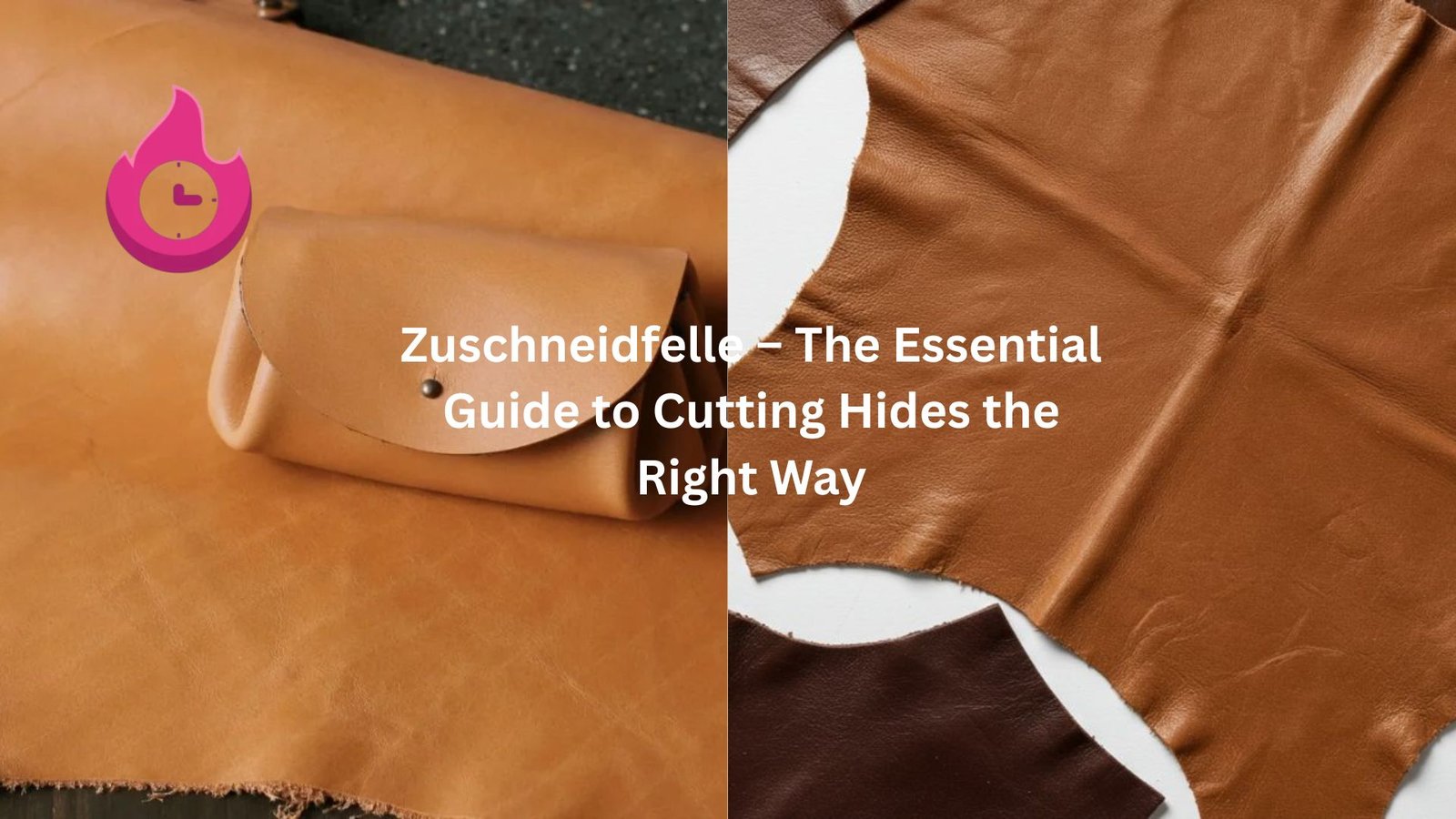
Whether you’re a leatherworker, hobby tailor, or simply someone who enjoys DIY projects, you’ve probably come across the term Zuschneidfelle. This German word translates to “cutting hides” in English — but it’s more than just a fancy term. Zuschneidfelle are leather or fur skins prepared specifically for cutting and crafting. And if you’re planning to work with leather, understanding how to handle these hides can make or break your project. So let’s explore everything you need to know about Zuschneidfelle — what they are, how to use them, and why they matter so much in the world of craft and design.
What Are Zuschneidfelle?
Zuschneidfelle are hides or skins — often from sheep, goats, calves, or deer — that have been tanned and prepared for further processing, especially cutting into shapes for sewing or crafting. These hides are often sold in pre-treated, soft, and uniform quality to make cutting easier and more accurate. In simple terms: think of them as high-quality raw material for leather products — like wallets, shoes, bags, belts, and even traditional clothing like Lederhosen.
Where Do Zuschneidfelle Come From?
Most Zuschneidfelle come from European tanneries, where sustainably sourced animal hides are processed using both traditional and modern tanning techniques. The hides used are usually a byproduct of the food industry, meaning no animal is killed specifically for the leather.
There are two main tanning methods used:
- Vegetable tanning: Uses natural tannins from trees and plants. It takes longer but gives a rich, earthy tone.
- Chrome tanning: Faster and results in more flexible, waterproof leather.
Why Are Zuschneidfelle So Important?
If you’ve ever tried cutting leather without knowing what you’re doing, you know it’s not as easy as slicing through paper. That’s where Zuschneidfelle shine. These hides are specially selected and treated to make cutting, shaping, and sewing much easier. Here’s why they matter:
- They have consistent thickness, so you get precise cuts.
- They are soft but strong, making them ideal for both handcraft and machine work.
- They often come in uniform colors and textures, so your final product looks clean and professional.
Tools You Need to Work With Zuschneidfelle
Before you start, make sure you have the right tools:
| Tool | Purpose |
|---|---|
| Rotary cutter or leather shears | For clean, straight cuts |
| Cutting mat | To protect your workspace |
| Ruler or measuring tape | For accurate sizing |
| Awl or marking pen | To trace patterns on the hide |
| Leather glue | For temporary fixes |
| Needles and thread | For sewing leather pieces |
| Leather punch | For making holes (e.g., for belts) |
Step-by-Step: How to Use Zuschneidfelle for Your Project
Let’s walk through how you would actually use a Zuschneidfell in a small leather project — say, a custom wallet.
Step 1: Choose the Right Zuschneidfell
Not all hides are the same. Some are softer, some are thicker, some have more texture. For a wallet, choose a smooth, medium-thickness Zuschneidfell — ideally calf or goat.
Pro tip: Always inspect the hide for scars, holes, or discoloration before buying.
Step 2: Create or Download a Pattern
You can either draw your own wallet pattern or find free templates online. Print it out or trace it onto cardboard. Make sure all measurements are accurate.
Step 3: Trace the Pattern onto the Zuschneidfell
Place your pattern on the smooth side of the hide. Use a silver pen, chalk, or awl to lightly trace the shape. Always trace with the grain for a natural look.
Step 4: Cut with Care
Using a sharp rotary cutter or leather scissors, cut along your traced lines. Don’t rush — clean edges will save you a lot of trouble later.
Step 5: Assemble and Sew
Use leather glue to temporarily hold pieces together. Then sew by hand or with a machine. Use strong waxed thread for durability.
Step 6: Finish the Edges
Burnish or sand the edges for a professional look. You can also dye or polish the surface to enhance the color.
A Real-Life Anecdote: First Time Using Zuschneidfelle
Let me tell you about Anna, a 32-year-old craft hobbyist from Berlin. She had been making bags from faux leather for years, but something always felt “off” about the final product. One day, at a local market, she found a small booth selling Zuschneidfelle. The seller explained how natural hides behave differently — they shape better, last longer, and feel more authentic. Anna decided to give it a shot.
She spent a weekend working on a simple clutch bag. The moment she cut the Zuschneidfell, she felt the difference — the blade slid smoothly, and the piece held its shape perfectly. The result? Her first bag that looked and felt store-bought. She never went back to faux leather again.
What Is the Price Range for Zuschneidfelle?
Prices vary depending on:
- Type of animal (calf and goat are cheaper than deer)
- Tanning method (vegetable-tanned hides are usually more expensive)
- Size and quality of the hide
You can expect to pay:
- €15 to €40 for smaller hides
- €50 to €150+ for premium or larger hides
Where to Buy Quality Zuschneidfelle
You can buy Zuschneidfelle from:
- Local leather suppliers and craft stores
- Online marketplaces like Etsy or eBay
- Specialist tanneries in Germany, Austria, or Italy
- Craft fairs and artisan markets
Note: Always ask if the hides are sustainably sourced and what tanning process was used.
How to Store and Care for Your Zuschneidfelle
Good leather lasts for decades — if you treat it well.
Do:
- Store in a cool, dry place
- Roll the hide (never fold it!)
- Use leather conditioner occasionally
Don’t:
- Expose it to direct sunlight for long periods
- Store in plastic (it needs to breathe)
- Use harsh chemicals for cleaning
Creative Project Ideas Using Zuschneidfelle
Need inspiration? Here are some fun DIY ideas:
- Handmade wallets or cardholders
- Leather bookmarks
- Custom phone or tablet sleeves
- Watch straps
- Small leather keychains
- Pet collars
- Traditional Trachtenmode (German folk fashion)
SEO Tip: Related Keywords to Know
To help more people find this article (and your products, if you sell them), it’s important to use semantic keywords related to Zuschneidfelle. Here are some examples:
- Lederzuschnitt
- Naturleder
- Lederreste kaufen
- Lederhäute
- Lederverarbeitung
- Lederwerkzeug
- Vegetabil gegerbtes Leder
- Nappaleder
- Wildleder schneiden
- Leder nähen Anleitung
Using these keywords naturally in your website or product descriptions can help improve your semantic SEO and visibility.
Final Thoughts: Mastering the Art of Zuschneidfelle
Working with Zuschneidfelle is both a practical skill and an art form. Whether you’re creating leather fashion, DIY accessories, or home décor, starting with the right kind of hide makes all the difference.
