



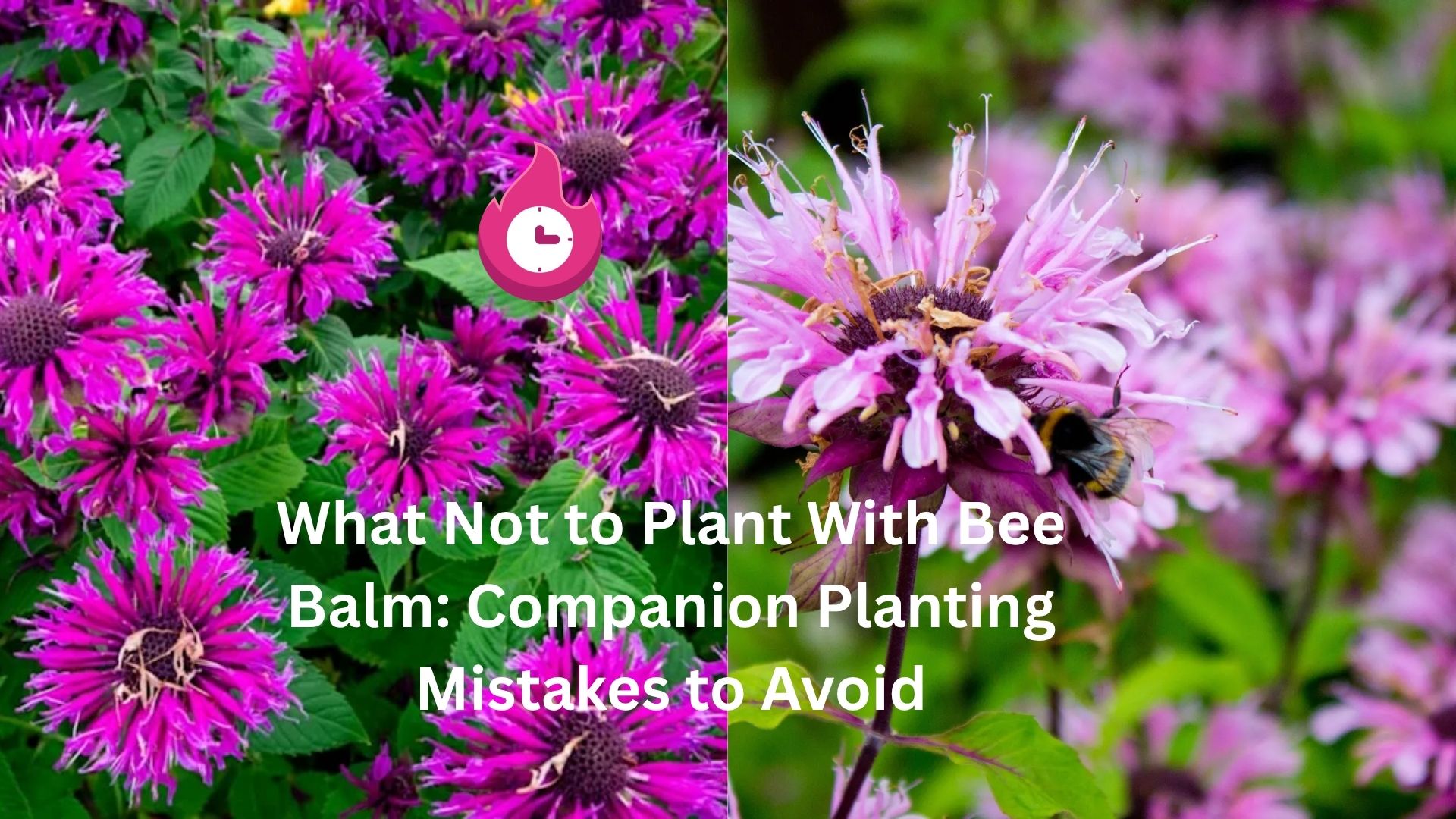
Bee balm is one of those plants that seems to make every garden a little more alive. The bright flowers pull in bees, butterflies, and hummingbirds like magnets. It grows fast, fills empty spaces, and adds a wild, cottage-garden charm that many gardeners love.
But here’s the thing. Just because bee balm gets along with pollinators doesn’t mean it gets along with every plant.
A lot of gardeners focus on what to plant with bee balm and forget that poor plant pairings can create just as many problems. I’ve seen healthy bee balm patches struggle because neighboring plants competed too aggressively for space, sunlight, or moisture. Sometimes the issue isn’t obvious until halfway through the growing season when one plant starts overpowering the other.
If you want strong blooms, healthy growth, and fewer headaches, it’s worth knowing which plants should stay at a distance.
Why Plant Pairing Matters With Bee Balm
Bee balm isn’t particularly difficult to grow, but it does have specific preferences.
It likes moist, well-drained soil. It enjoys plenty of sunlight, although it can tolerate some afternoon shade in hotter regions. Most importantly, it spreads.
And spreads.
A small bee balm planting can become a sizable patch within a few seasons. That’s part of its appeal, but it also means neighboring plants need enough room to coexist.
When plants have very different growing requirements, somebody usually loses. Sometimes it’s the bee balm. Other times it’s the neighboring plant that gets crowded out.
The goal isn’t perfection. It’s simply creating conditions where both plants can thrive without fighting for resources.
Aggressive Spreaders That Compete for Space
One of the biggest mistakes is planting bee balm next to other plants that spread aggressively through roots or runners.
Take mint, for example.
Mint is famous for taking over garden beds. Bee balm belongs to the mint family, but that doesn’t mean they’re good companions. In fact, they often become rivals. Both spread underground and both can quickly claim territory.
Before long, you’re no longer managing two plants. You’re managing a competition.
The same problem can happen with plants like creeping Jenny or certain ornamental grasses that expand rapidly.
A gardener might initially think, “These plants fill space nicely.”
A year later, they’re spending weekends pulling runners and dividing overcrowded clumps.
Giving bee balm room to establish itself without neighboring bullies usually leads to healthier growth and more flowers.
Plants That Prefer Dry Soil
Bee balm appreciates consistent moisture.
Not soggy conditions, but definitely not bone-dry soil.
That’s why drought-loving plants often make poor neighbors.
Lavender is a classic example. It thrives in drier soil and excellent drainage. Bee balm wants more regular moisture. Water enough for bee balm, and lavender may struggle. Water for lavender, and bee balm can become stressed.
The same issue often appears with:
- Russian sage
- Sedum
- Rosemary
- Thyme
These plants aren’t bad garden choices. They’re simply trying to live under different conditions.
Imagine sharing a house thermostat with someone who likes it twenty degrees warmer than you do. Eventually, somebody becomes uncomfortable.
Garden plants work much the same way.
Large Shrubs That Create Too Much Shade
Bee balm flowers best when it receives plenty of sunlight.
A little afternoon shade can be helpful in hot climates, but deep shade creates problems.
Planting bee balm near large shrubs often seems fine at first because young shrubs don’t cast much shadow. Over time, though, those shrubs mature and begin blocking significant amounts of light.
Hydrangeas, large viburnums, and dense evergreen shrubs can gradually reduce the sunlight bee balm receives.
The result?
Fewer blooms, weaker stems, and increased susceptibility to mildew.
Many gardeners blame fertilizer or weather when bee balm stops performing. Sometimes the real culprit is simply a growing shrub nearby.
It’s worth thinking a few years ahead rather than focusing only on how the garden looks today.
Trees With Heavy Root Competition
Shade isn’t the only concern around trees.
Roots can be even more problematic.
Certain trees are notorious for competing aggressively for water and nutrients. Maple trees are a common example. Their shallow root systems often dominate the soil beneath them.
Bee balm planted near these trees may survive, but it rarely reaches its full potential.
You’ll often notice smaller flowers, reduced vigor, and increased watering needs.
I’ve seen gardeners repeatedly amend soil and add compost, only to discover the nearby tree roots were capturing much of the available moisture.
The challenge becomes even greater during hot summer weather when both the tree and bee balm need water at the same time.
Plants Prone to Powdery Mildew
Bee balm has one weakness many gardeners know all too well.
Powdery mildew.
Even healthy plants can occasionally develop it, especially during humid weather or when airflow is poor.
That’s why it helps to avoid crowding bee balm with other plants that commonly struggle with the same disease.
Garden phlox is a good example.
Both plants are beautiful pollinator favorites, but together they can create conditions where mildew spreads more easily. Dense growth traps moisture and reduces air circulation.
Now, that doesn’t mean you can never grow them in the same garden.
It simply means they shouldn’t be packed tightly together.
Leaving extra space between susceptible plants can make a surprisingly big difference.
Tall Plants That Overpower Bee Balm
Bee balm can grow fairly tall depending on the variety, but some plants still tower over it.
Giant sunflowers, towering ornamental grasses, and oversized perennial specimens can overshadow bee balm and compete for sunlight.
This isn’t always obvious when plants are young.
Everything looks balanced in spring.
Then July arrives.
Suddenly one plant resembles a skyscraper while the bee balm sits hidden underneath.
The visual impact disappears, and flowering often declines.
When planning a bed, it’s smart to consider mature heights rather than nursery-pot sizes.
Garden centers sell possibilities. Gardens eventually reveal realities.
Heavy Feeders That Drain Resources
Some plants consume nutrients at a remarkable rate.
Large vegetables like pumpkins, squash, and corn are examples.
These crops pull substantial amounts of nutrients and water from the soil throughout the growing season.
Bee balm growing nearby may end up competing for resources it needs to produce healthy foliage and flowers.
This doesn’t mean vegetable gardens and pollinator gardens can’t exist side by side.
They absolutely can.
Just avoid planting bee balm directly among crops known for heavy nutrient demands.
Giving each area its own growing space often produces better results for both.
The Hidden Problem of Overcrowding
Sometimes the issue isn’t a specific plant.
It’s simply too many plants.
Bee balm benefits from airflow. Crowded garden beds create stagnant conditions that encourage disease and reduce overall vigor.
A common beginner mistake is filling every empty inch of soil.
The garden looks lush immediately, but within a couple of seasons plants begin competing for light, nutrients, and air circulation.
Bee balm particularly dislikes this situation.
If you’ve ever walked through a garden in midsummer and noticed dense foliage staying damp long after morning dew should have evaporated, you’ve seen the problem firsthand.
A little breathing room often improves plant health more than extra fertilizer ever will.
Better Ways to Position Bee Balm
Rather than squeezing bee balm between demanding neighbors, think of it as a centerpiece.
Give it enough room to spread naturally.
Place it near plants that enjoy similar moisture levels and sunlight conditions. Medium-sized perennials often work better than giant shrubs, aggressive ground covers, or drought-loving herbs.
When bee balm has adequate sunlight, airflow, and moisture, it rewards gardeners with months of colorful blooms and a steady stream of pollinator activity.
And honestly, that’s what most people plant it for in the first place.
Final Thoughts
Bee balm is generous, colorful, and surprisingly easy to grow when it’s in the right location. Most problems arise not because the plant is difficult, but because it’s paired with neighbors that want completely different things.
Avoid aggressive spreaders, drought-loving herbs, heavy root competitors, oversized shade-producing plants, and overcrowded garden layouts. Those simple choices can save a lot of frustration later.
A little planning goes a long way.
Give bee balm the space and conditions it prefers, and you’ll spend far less time correcting problems and far more time enjoying the bees, butterflies, and hummingbirds that seem to appear the moment those bright blooms open.
