




Grief is one of the hardest emotions to carry. When we lose someone or something we deeply love, the world can feel heavy and silent. In these moments, poems about grief can feel like a hand reaching out in the darkness—softly reminding us we’re not alone. They bring words to feelings we can’t express and help us begin to heal. Whether they’re read quietly at night or shared with a friend, grief poems have a unique way of touching the heart and comforting the soul.
What Are Poems About Grief?
Poems about grief are pieces of writing that explore sorrow, loss, and longing. They are written by poets who have walked through pain themselves or who deeply understand what it means to grieve. These poems can speak about losing a loved one, the end of a relationship, or even saying goodbye to a place or time in life.
Unlike long essays or books, grief poems often use short, powerful lines that say so much with few words. They don’t give instructions on “how to move on” but instead sit with us in our sadness. That’s why people turn to poetry—it doesn’t rush us. It honors the slow, often messy process of healing.
Why Do We Read Poems When We’re Sad?
When we’re sad, words can feel like medicine. But not every kind of writing helps. Poems, with their rhythm and emotion, work differently. They give shape to our pain and remind us that grief is a shared human experience.
Reading a grief poem is like finding a friend who whispers, “I’ve felt this too.” It gives permission to cry, to remember, and even to smile through tears. Research has shown that reading and writing poetry can lower stress and improve emotional well-being. That’s why in many cultures, poems have been read at funerals and memorials for centuries. They are soft carriers of big emotions.
Famous Poems About Grief
Some grief poems have been loved for hundreds of years because they speak timeless truths. From classical poets like Emily Dickinson and W.H. Auden to modern voices, these works have helped countless people process loss.
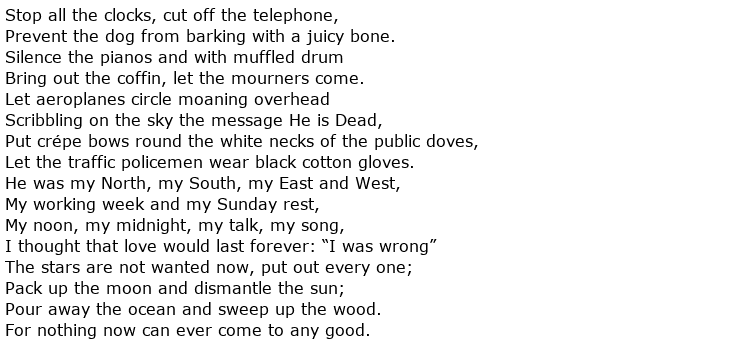
They aren’t just famous because of who wrote them—they’re famous because they say what our hearts feel but can’t explain. In these verses, sorrow becomes beauty, and loss turns into gentle reflection. Here are a few categories of famous grief poems to explore:
Short Grief Poems to Soothe Your Soul
Short poems about grief are like little candles in the dark. They’re easy to read and remember, making them perfect for moments when your heart feels too heavy for long passages. Poets like Mary Oliver and Rupi Kaur have written brief, tender verses that speak directly to the wounded soul. For instance, Mary Oliver’s lines about love and letting go can bring calm when sadness overwhelms.
Classic Poems That Talk About Loss
Classic grief poems have stood the test of time because they carry universal truths. W.H. Auden’s “Stop All the Clocks” and Emily Dickinson’s “Because I Could Not Stop for Death” are hauntingly beautiful reminders of love and mortality. These poems can be read at memorials or revisited privately whenever you miss someone.
Poems for Kids Coping With Loss
Children experience grief differently. Simple, heartfelt poems can help them understand and talk about their feelings. Poets like Michael Rosen have written works for young readers, explaining loss in language that feels safe and gentle. Sharing these poems with kids can open doors to important conversations about life and love.
How Poems Heal Broken Hearts
Poetry doesn’t erase grief—but it helps us carry it. When words mirror our inner pain, they create a sense of connection and release. This is part of why therapists sometimes use poetry in grief counseling. Writing or reading poems about grief allows people to express bottled-up emotions.
Think of poetry as a bridge between the heart and the mind. It makes space for both sadness and hope. In a world that often tells us to “move on,” poems remind us it’s okay to feel everything deeply. They say healing isn’t about forgetting—it’s about remembering with love.
Modern Poems About Grief
Today’s poets are bringing fresh voices to the topic of grief. Writers like Nikita Gill and Lang Leav use modern language and relatable imagery that resonates with younger readers. These modern grief poems often appear on social media, making them easy to discover and share.
Unlike older poetry that sometimes feels distant, modern grief poems speak in the language of today—direct, raw, and tender. They remind us that even in our digital age, human hearts still break and heal in timeless ways.
New Voices Writing About Loss
Alongside established poets, many new writers are courageously sharing their experiences with grief. They come from diverse cultures and backgrounds, offering unique perspectives on loss. Some write about losing a parent; others about miscarriage, divorce, or even climate grief.

These new voices help expand the conversation around grief. They prove there’s no single “right” way to mourn and no timeline for healing. By reading their work, we see that grief is both deeply personal and universally shared.
Instagram Poets Who Write About Grief
Social media has become a surprising haven for grief poetry. Instagram poets like Rupi Kaur, Atticus, and Najwa Zebian often post verses about loss and healing that go viral. These short, striking pieces are easy to screenshot and keep close during hard times.
Short Poems About Grief You Can Read Anytime
Sometimes all you need is a few lines to feel less alone. Short poems about grief are perfect for a quick moment of comfort—on your phone, in a journal, or pinned to a wall. Try reading one each morning or before bed to slowly ease your heart.
Where to Find Comforting Grief Poems Online
There are countless places online where you can read grief poetry for free. Websites like Poetry Foundation and AllPoetry host large collections of classic and modern poems. Instagram, Tumblr, and Pinterest are also rich sources of grief poems shared by both famous and emerging writers.
Writing Your Own Grief Poem
You don’t need to be a “poet” to write a grief poem. All you need is honesty. Start by writing down how you feel—angry, sad, numb, or even relieved. Then let the words take any shape they want. It doesn’t have to rhyme or follow rules.
Many people find that writing their own grief poems helps them process emotions they didn’t even realize they were carrying. It can be a quiet, private act of healing or something you share with others as a tribute to your loved one.
The Bottom Line
Grief changes us—but poetry helps us carry that change with grace. Whether you’re reading famous verses, exploring modern grief poems online, or writing your own, these gentle words can help heal the invisible wounds of loss. Remember, healing doesn’t mean forgetting. It means honoring love in all its forms—past, present, and future.
Poems about grief are like soft lights along a dark path. They won’t take away the pain, but they can help you find your way through it.
