



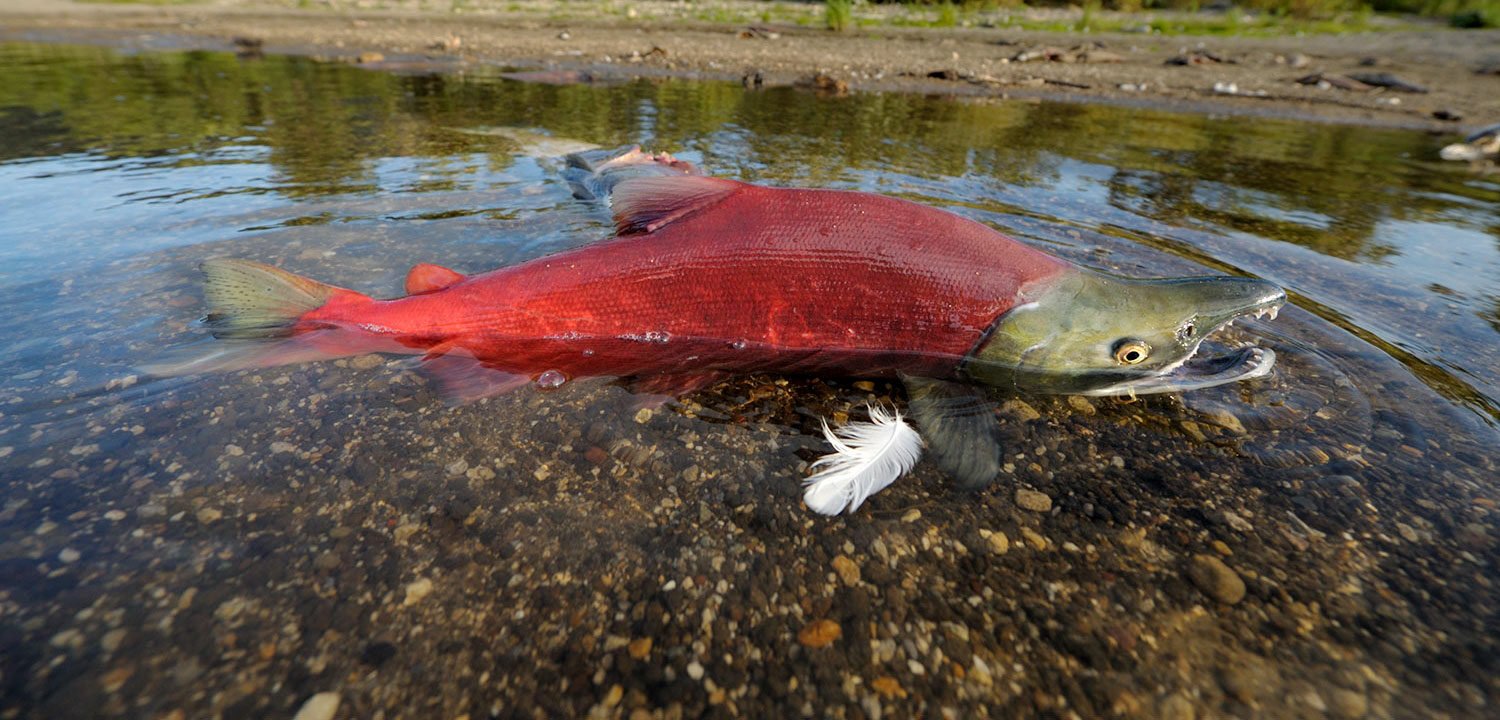
Sockeye salmon, also called “red salmon,” is one of the most popular types of salmon in the United States. With its deep red color, rich flavor, and excellent health benefits, sockeye salmon is a favorite in kitchens across the country. Whether grilled, baked, or smoked, it always leaves a lasting impression.
What Is Sockeye Salmon?
Sockeye salmon is a species of Pacific salmon known for its vibrant red flesh and bold flavor. It’s one of the five Pacific salmon species found in North American waters and is prized for both its taste and nutritional value. Sockeye salmon (scientific name: Oncorhynchus nerka) is smaller than king salmon but has a firmer texture and richer flavor.
Unlike farm-raised fish, sockeye is almost always wild-caught, primarily from cold, clean waters like those of Alaska and the Pacific Northwest. It’s a favorite among chefs and seafood lovers because of its deep color, high oil content, and distinctive taste. With a firm texture and a powerful, slightly gamey flavor, it stands out from other types of salmon.
Where Does Sockeye Salmon Come From?
Sockeye salmon are native to the North Pacific Ocean, and they’re most commonly found in the waters of Alaska, British Columbia, and parts of the U.S. Pacific Northwest. The majority of sockeye salmon you’ll find in the United States comes from Alaska, where strict sustainability standards ensure the fish are harvested responsibly.
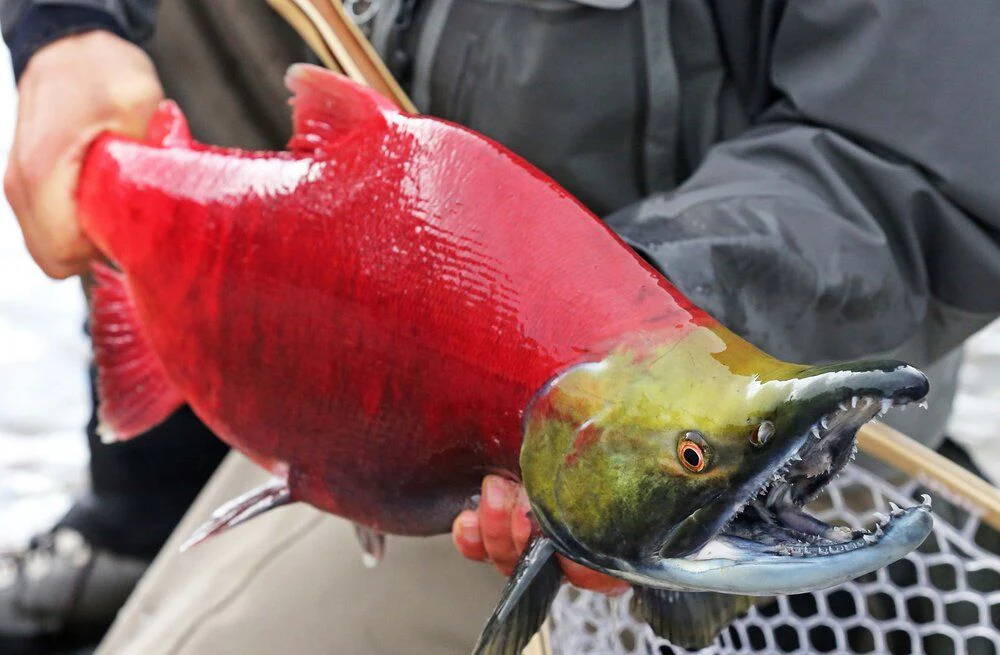
These fish begin their lives in freshwater rivers and lakes, migrate to the ocean as they grow, and then return to their birthplace to spawn. This migration cycle is not only fascinating but also crucial to their ecosystem. As they return to freshwater to spawn, their bodies undergo dramatic changes—especially in color. They go from silver-blue in the ocean to deep red with green heads as they move upstream.
Why Is Sockeye Salmon So Red?
The rich red color of sockeye salmon is one of its most recognizable features. But have you ever wondered why it looks so different from other salmon? The answer lies in their diet and biology.

Do All Salmon Look Like This?
No, not all salmon have the same color. Sockeye salmon are known for being the brightest red of all the salmon species. While other salmon like coho or pink salmon are much lighter in color, sockeye’s red hue sets it apart on the plate and in the wild. King salmon, for instance, can also be red but is usually more orange or pink.
What’s Inside That Makes It Red?
The red color of sockeye salmon comes from a compound called astaxanthin. It’s a naturally occurring antioxidant that the salmon absorb by eating krill and other tiny crustaceans in the ocean. The more krill they eat, the redder their flesh becomes. Unlike farmed salmon, which are sometimes given synthetic colorants to mimic this red color, wild sockeye salmon get it naturally.
Is the Red Color Healthy?
Yes, very much so! The same pigment that gives sockeye salmon its bold color—astaxanthin—is also a powerful antioxidant. It helps fight inflammation, supports skin health, and may even improve eye health. Combine that with omega-3 fatty acids, and you have one of the healthiest fish you can eat.
Sockeye Salmon Nutrition Facts
Sockeye salmon is a nutritional powerhouse. A 3.5-ounce (100-gram) serving of cooked sockeye salmon provides:
- Calories: 206
- Protein: 22 grams
- Fat: 13 grams
- Omega-3 fatty acids: ~1,000 mg
- Vitamin D: 570 IU (over 70% of the daily value)
- Vitamin B12: 5 mcg (over 200% of the daily value)
- Selenium, Niacin, and Potassium
This fish is high in protein and healthy fats while being low in carbohydrates and sugar. That makes it an excellent choice for people on keto, paleo, or heart-healthy diets. The high omega-3 content supports brain function and reduces the risk of chronic diseases.
Is Sockeye Salmon Healthy for You?
Absolutely. Sockeye salmon is one of the healthiest seafood choices you can make. It’s loaded with heart-friendly omega-3 fatty acids, which help reduce inflammation and lower blood pressure. These fats also support brain health, eye function, and even improve mood.
The high protein content helps build and repair muscles, while vitamins like B12 and D support energy levels, immune function, and bone strength. Because it’s wild-caught, sockeye is generally lower in contaminants like mercury compared to some farmed fish.
For children, adults, and older people alike, sockeye salmon can be part of a balanced, nutrient-rich diet. It’s especially good for pregnant women and growing children because of the essential fats and minerals it provides.
How to Cook Sockeye Salmon
Sockeye salmon is versatile and easy to cook. Its firm texture holds up well on the grill, in the oven, or even in a pan. Because it’s leaner than some other salmon types, you’ll want to be careful not to overcook it.
Grilling Sockeye Salmon
Grilling sockeye salmon brings out its smoky, rich flavor. Simply season it with olive oil, lemon juice, salt, and pepper. Preheat the grill to medium-high heat, then cook the fillets skin-side down for 3–5 minutes. Flip and cook for another 2–3 minutes until it flakes easily with a fork. You can also use cedar planks for a deeper, woodsy flavor.
Baking Sockeye Salmon
Baking is a foolproof method that keeps the salmon moist. Preheat your oven to 400°F (204°C). Place the fish in a baking dish with your favorite herbs, lemon slices, garlic, and olive oil. Bake for about 12–15 minutes, depending on the thickness. You can also wrap it in foil or parchment paper for a “steam bake” that locks in flavor.
What’s the Best Way to Eat It?
The “best” way depends on your taste! Some people love it grilled for a crispy skin and smoky flavor. Others prefer it baked with a citrus glaze. Sockeye also works wonderfully in salads, pasta, and even tacos. For a traditional option, try cold-smoked sockeye salmon on bagels with cream cheese. If you’re watching calories, simple steamed or baked versions are great choices.
Sockeye vs King Salmon – What’s the Difference?
While both sockeye and king (chinook) salmon are prized fish, they have some differences. Sockeye is smaller, leaner, and has a deeper red color. It has a stronger, more pronounced flavor. King salmon is larger, has more fat, and tastes milder and buttery.
Nutritionally, king salmon has more calories and fat per serving because of its higher oil content. Sockeye, on the other hand, is lower in fat but richer in certain antioxidants. If you love bold flavor and a firm bite, sockeye is your best bet. If you prefer a softer, milder taste, king salmon might be more your style.
The Bottom Line
Sockeye salmon is more than just a pretty red fish—it’s a flavorful, nutritious, and sustainable choice that’s good for you and the planet. With its bold taste, impressive health benefits, and cooking versatility, it’s no wonder people across the U.S. love it.
Whether you’re making dinner for your family or trying to eat healthier, sockeye salmon deserves a spot on your plate. From grilling to baking, from salads to sandwiches, it fits almost any meal. Plus, it’s a fish that’s easy for even kids to enjoy—thanks to its mild bones, bright color, and great taste.
