



TikTok looks like easy money from the outside. You scroll, you laugh, you watch someone make coffee or tell a story, and suddenly they’ve got a million views. Naturally, the next thought is: what does that actually pay?
Here’s the honest answer—it depends. And not in a vague, unhelpful way. It depends in a very specific, sometimes frustrating way that most people don’t realize until they’re already posting daily.
Let’s break it down in a way that actually reflects how money flows on TikTok today.
The Reality of TikTok’s Built-In Payments
If you’re expecting YouTube-level payouts, adjust your expectations now.
TikTok does pay creators directly through its programs—most notably the Creativity Program (which replaced the old Creator Fund in many regions). But the pay per view is modest.
On average, creators report earning somewhere between $0.20 to $1.00 per 1,000 views under the newer system. That range isn’t random. It depends on factors like watch time, engagement, and where your audience is located.
So let’s put that into real numbers.
A video with 100,000 views might earn you anywhere from $20 to $100. A million views could land somewhere between $200 and $1,000.
Sounds decent, right? Until you realize how unpredictable viral reach can be.
You might hit a million views once… then spend weeks stuck under 10,000. TikTok doesn’t guarantee consistency, and that’s where people get caught off guard.
Why Some Videos Pay More Than Others
Two creators can get the same number of views and earn very different amounts. That’s not a glitch—it’s by design.
TikTok values watch time more than anything else. If people stick around until the end (or rewatch), your earnings go up. If they scroll away quickly, your payout drops.
Now imagine two videos:
One is a quick joke that gets 500,000 views but people swipe away after three seconds.
The other is a 45-second story where viewers watch all the way through.
Even if both hit similar view counts, the second one is far more valuable in TikTok’s eyes.
Location matters too. Views from countries with stronger advertising markets—like the U.S., U.K., or Canada—tend to earn more than views from regions with lower ad spend.
That’s why some creators shift their content style or language slightly to appeal to a different audience. Not always obvious, but very intentional.
The Creativity Program Changed the Game
The older Creator Fund had a reputation for paying extremely low rates—sometimes just a few cents per thousand views. It wasn’t worth the effort for many creators.
The newer Creativity Program improved things, but it also raised the bar.
Videos usually need to be longer (often over one minute), original, and engaging enough to keep people watching. Quick clips and reposted content don’t cut it anymore.
This has quietly reshaped TikTok content.
You’ll notice more storytelling, commentary, and longer-form videos showing up. That’s not just a trend—it’s creators adapting to where the money is.
Brand Deals: Where the Real Money Comes From
Here’s the part most people miss: TikTok itself is rarely the main income source for successful creators.
Brand deals are.
Once you build an audience—even a modest one—you become interesting to companies that want attention. And they pay far more than TikTok does per view.
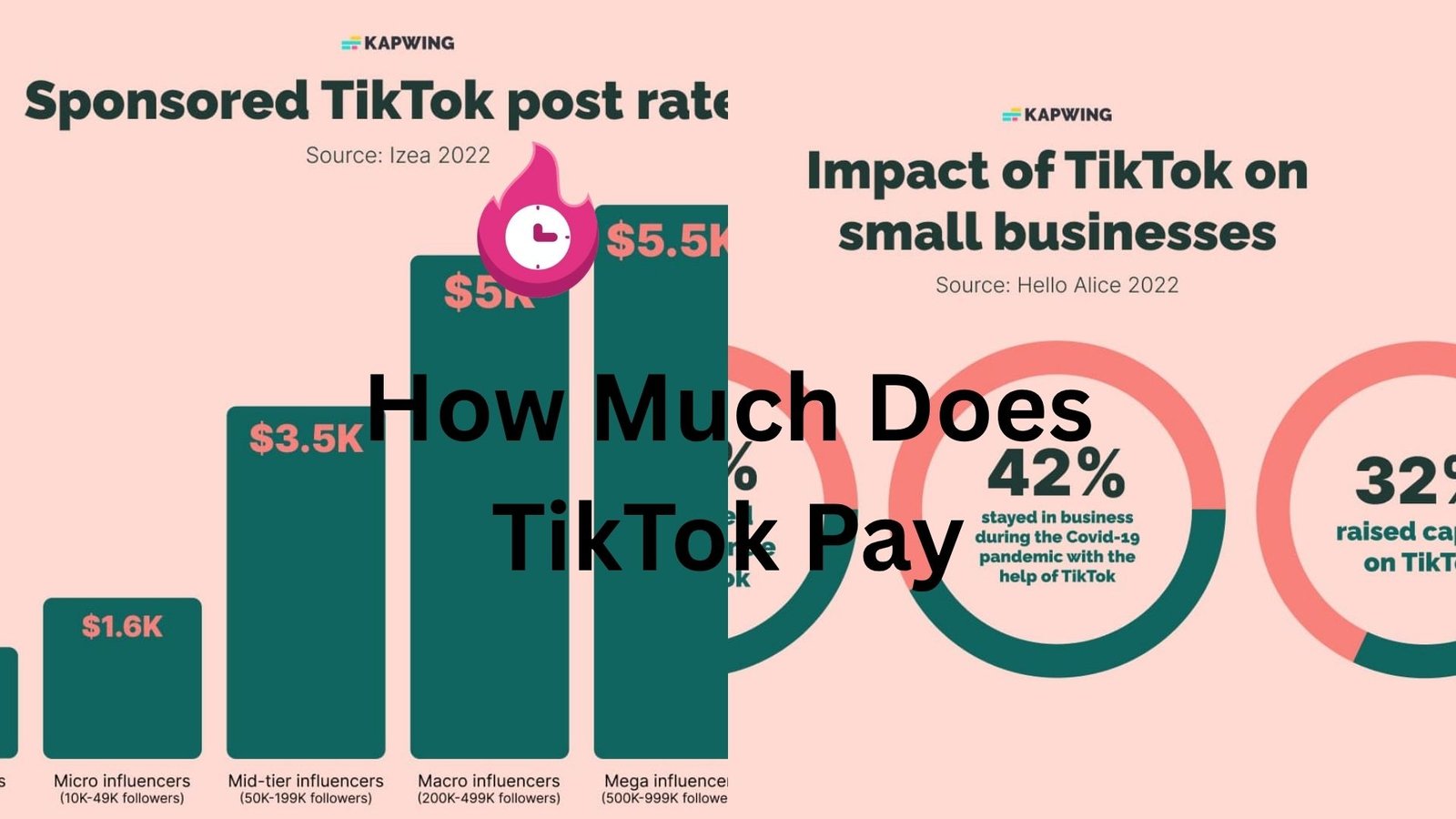
A creator with 50,000 followers might earn $200–$500 for a sponsored post.
At 100,000 followers, that can jump to $500–$1,500.
Once you cross into the millions, deals can easily hit five figures for a single video.
Now picture this scenario:
Someone posts consistently for six months. They grow to 80,000 followers. One of their videos about skincare goes semi-viral.
A small skincare brand reaches out and offers $600 for a mention.
That single deal might equal—or exceed—what they earned from TikTok’s payout system over weeks.
That’s why experienced creators don’t obsess over the Creator Fund. They focus on audience trust and niche positioning.
Because attention is the real currency.
Affiliate Links and Side Income Streams
Not every creator lands brand deals right away. That’s where affiliate marketing slips in.
Instead of getting paid upfront, you earn a commission when someone buys through your link.
It sounds simple, but it adds up faster than you’d expect.
Say you recommend a $30 product and earn a 10% commission. That’s $3 per sale.
If 100 people buy it from a viral video, that’s $300 from one post—often more than TikTok itself would pay for the views.
And it doesn’t stop there.
Some creators stack multiple income streams:
- TikTok payouts
- Affiliate links
- Digital products (like guides or presets)
- Livestream gifts
None of these alone may seem huge at first. Together, they can turn a small account into something surprisingly profitable.
Going Live: A Different Kind of Earnings
TikTok Live is its own ecosystem.
When creators go live, viewers can send virtual gifts that convert into real money. It’s not massive for most people, but in the right niche, it can become a steady stream.
Think of creators who:
- Chat casually with followers
- Share advice in real time
- Perform music or art
- Host Q&A sessions
The key is interaction. People aren’t just watching—they’re participating.
A small but loyal audience can outperform a large, passive one here.
Why Viral Doesn’t Always Mean Rich
This is probably the biggest misconception.
A viral video feels like it should equal a big paycheck. Sometimes it does—but often, it doesn’t.
Someone might get 2 million views and earn a few hundred dollars. Meanwhile, another creator with a smaller, niche audience earns thousands through brand deals or product sales.
Virality brings attention. But monetization depends on what you do with that attention.
If there’s no clear direction—no niche, no follow-up content, no way to convert viewers into something more—those views fade quickly.
It’s like getting a crowd to show up… and then having nothing to offer them.
The Role of Consistency (Even When It’s Boring)
Let’s be honest: most TikTok growth isn’t exciting.
It’s posting regularly, testing ideas, tweaking formats, and sometimes feeling like nothing is working.
Then suddenly, something clicks.
A format works. A topic resonates. Engagement jumps.
That’s when earnings start to make sense—not because of one video, but because of sustained momentum.
People who treat TikTok like a long game tend to earn more over time. Not always faster, but more reliably.
Is TikTok Worth It Financially?
It depends on your expectations.
If you’re hoping to make quick, easy money from a few viral videos, you’ll probably be disappointed.
But if you’re willing to:
- Build an audience
- Experiment with content
- Treat it like a platform, not just a payout system
Then yes, it can absolutely be worth it.
TikTok is less like a paycheck and more like a gateway. It opens doors—to brand deals, business opportunities, and other income streams that don’t rely on the platform’s own payments.
A More Honest Way to Think About TikTok Money
Instead of asking “how much does TikTok pay,” a better question might be:
“How much can I earn because of TikTok?”
That shift changes everything.
The platform itself pays modestly. No way around it. But the exposure, the audience, and the influence? That’s where the real value sits.
Some creators make a few dollars. Others build full-time incomes. The difference isn’t just views—it’s how they use those views.
The Takeaway
TikTok does pay, but it’s not the goldmine people imagine at first glance.
For every million views, you might earn a few hundred dollars directly. Useful, but not life-changing.
The real earning potential comes from what you build around those views—your audience, your niche, your ability to turn attention into opportunity.
So if you’re thinking about posting, don’t chase payouts alone. Focus on creating something people actually care about.
Because once that clicks, the money tends to follow.
