



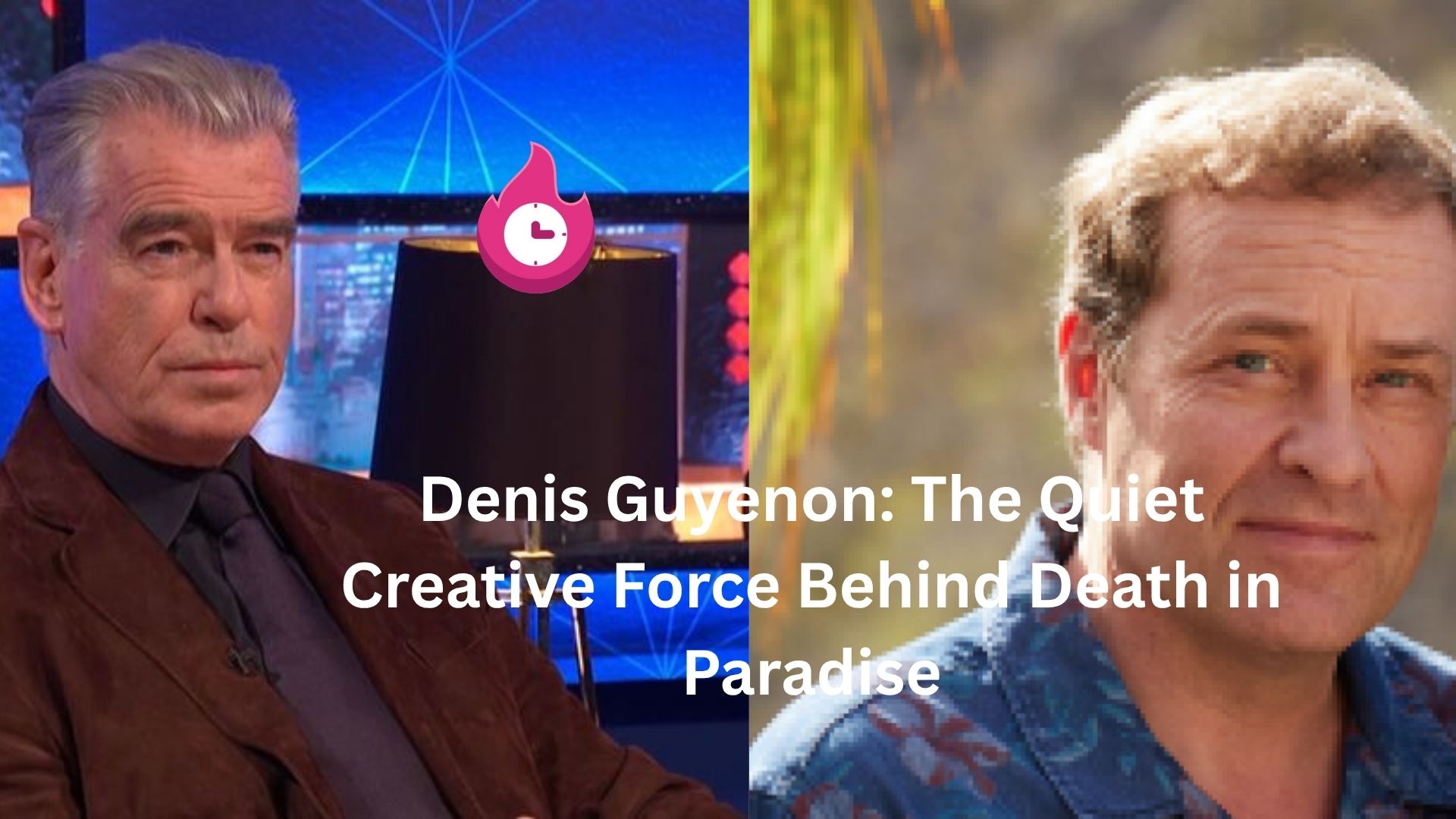
Television audiences usually remember the faces on screen. The detective with the sharp one-liners. The dramatic final reveal. The tropical scenery that somehow makes murder mysteries feel relaxing.
But every successful show also depends on people viewers rarely hear about.
That’s where Denis Guyenon comes in.
For years, Guyenon worked behind the scenes on the BBC series Death in Paradise, helping shape the visual identity of one of the most recognizable crime dramas on television. He wasn’t the actor delivering dialogue or the producer giving interviews. He was the stills photographer, the person quietly capturing the images that audiences saw in magazines, promotional campaigns, streaming platforms, and TV guides.
And honestly, that role matters more than most people realize.
A great still photograph can define how a show feels before anyone even presses play.
Denis Guyenon wasn’t a celebrity, and that’s partly why people respected him
There’s something refreshing about people who build strong careers without chasing attention.
Denis Guyenon fit that description perfectly.
He worked mainly in the camera and electrical department and became known for his work as a stills photographer on Death in Paradise. According to IMDb records, he worked on the series from 2017 through 2024 and contributed to around 60 episodes. (imdb.com)
That’s a serious stretch of television production.
Anyone who has spent time around film crews knows how demanding that schedule can be. Long shooting days. Heat. Constant movement. Equipment everywhere. Last-minute changes. And in the case of Death in Paradise, filming often took place in Guadeloupe, where the tropical beauty came with equally tropical humidity.
Now imagine trying to capture polished promotional images in the middle of all that.
Not easy.
A stills photographer has to stay almost invisible while noticing everything.
They need timing similar to a documentary photographer but also the instincts of a storyteller. One image has to sell mood, character, tension, and atmosphere in a single frame.
That’s why television productions value experienced stills photographers so highly. They’re not simply taking snapshots between scenes.
They’re creating the visual memory of the show.
Why his work on Death in Paradise mattered
Death in Paradise has always had a unique tone.
It’s technically a murder mystery series, but it doesn’t feel grim in the way many modern crime dramas do. The beaches are bright. The pacing is lighter. The humor slips in naturally. Even longtime fans often describe the show as comforting.
That atmosphere doesn’t happen by accident.
The promotional photography plays a huge role in maintaining it.
Think about it for a second.
Before viewers watch a new season, they usually see images first. A detective standing near the ocean. A tense conversation under Caribbean sunlight. A group cast photo that instantly reminds fans why they like the series.
Those images create familiarity.
Guyenon helped build that connection for years.
According to reports following his death, many of the promotional photographs associated with the series were his work. Executive producer Tim Key even noted that if viewers had seen a photograph from the show, there was a good chance Denis had taken it. (tvguide.co.uk)
That’s not small praise.
In television production, people don’t usually make comments like that unless someone genuinely left a mark.
The strange challenge of photographing television
Here’s something most people outside the entertainment industry never think about.
Still photography for television is awkward work.
You’re operating around cameras, actors, lighting crews, microphones, directors, assistant directors, and production schedules that are already under pressure.
One badly timed shutter click can ruin audio.
One misplaced photographer can block a shot.
And actors can’t constantly stop scenes so someone can retake promotional images.
So the best stills photographers develop almost ninja-like instincts.
They learn movement patterns. They anticipate emotional moments before they happen. They know when to stay close and when to disappear.
That’s why productions tend to keep trusted photographers around for years.
Once a crew member understands the rhythm of a series, they become part of the machine.
From everything shared publicly after Denis Guyenon’s passing, it’s clear he became exactly that kind of trusted presence.
The emotional tribute that brought his name into public conversation
A lot of viewers first heard Denis Guyenon’s name after Death in Paradise paid tribute to him during the closing credits of series 14.
The message was simple and personal.
It honored him “in memory of our friend.” (tvguide.co.uk)
That wording stood out.
Not colleague. Not crew member. Not contractor.
Friend.
People inside television productions spend enormous amounts of time together. Sometimes more time than they spend with their own families during filming periods. Long-running shows especially start functioning like temporary communities.
So when a production publicly pauses to honor someone behind the scenes, viewers immediately understand that person mattered deeply.
Fans started searching his name because the tribute felt genuine rather than ceremonial.
And honestly, that says a lot.
Television audiences are surprisingly good at spotting empty gestures.
This didn’t feel empty.
Life in Guadeloupe shaped the show’s identity
One interesting detail about Denis Guyenon is that he lived in Guadeloupe, where Death in Paradise is filmed. (tvguide.co.uk)
That local connection probably helped more than viewers realize.
Productions filmed outside major studio cities often rely heavily on people who understand the environment intimately. Local weather patterns. Lighting conditions. Communities. Locations. Cultural rhythms.
A photographer who truly knows the island can capture it differently.
And Death in Paradise has always depended on location as part of its appeal.
The island isn’t just background scenery. It’s part of the emotional tone.
A lesser photographer might only capture palm trees and beaches.
A skilled one captures warmth.
There’s a difference.
If you’ve ever traveled somewhere beautiful and later looked at your own phone pictures, you already know this feeling. Sometimes the image technically shows the place, but somehow misses what being there actually felt like.
Professional still photographers close that gap.
The best creative professionals often work quietly
There’s an interesting pattern in entertainment.
The people who contribute the most stability behind the scenes are often the least visible publicly.
Not because they lack talent.
Usually it’s the opposite.
They focus on the work itself instead of building personal brands around it.
Denis Guyenon appears to have been that kind of professional.
There isn’t a huge public archive of interviews or self-promotion attached to his name. Instead, what keeps appearing are comments from colleagues describing him as kind, reliable, diligent, and deeply valued by the production team. (tvguide.co.uk)
That reputation doesn’t happen overnight.
Film crews can be brutally honest environments. Tight deadlines expose personalities fast. People remember who stays calm under pressure and who makes difficult days harder.
The tributes shared after his death suggest Denis earned lasting respect because he consistently made productions better to work on.
That matters.
Maybe more than flashy recognition does.
Photography shapes memory more than people think
Here’s the thing about television photography.
Long after audiences forget individual episodes, the images often remain.
The cast lineup. The detective standing near the shoreline. The warm Caribbean color palette. The behind-the-scenes moments fans repost online years later.
Those visuals become cultural shorthand.
They’re what streaming platforms use when recommending the show. They’re what entertainment websites publish. They’re what fans recognize instantly.
A skilled stills photographer helps create the permanent visual identity of a series.
That’s partly why Denis Guyenon’s work mattered beyond the set itself.
Even viewers who never knew his name probably saw his photography dozens of times.
Maybe hundreds.
His passing hit the Death in Paradise community hard
Denis Guyenon died in July 2024 at the age of 59. (imdb.com)
The public details surrounding his death remain limited, which is understandable. Not every family wants grief turned into public spectacle.
What did become public was the affection people around the show clearly had for him.
Executive producer Tim Key described him as “a kind, warm-hearted and talented man.” Picture publicist Alex Gill said he was “integral” to the Death in Paradise family and remembered him as someone who always wanted the team to feel proud of the work. (tvguide.co.uk)
Those comments feel specific.
And specific praise usually carries more weight than generic tributes.
It paints the picture of someone who cared deeply about doing the job well without making himself the center of attention.
There’s something admirable about that approach in an industry that often rewards visibility over consistency.
Why audiences have become more interested in behind-the-scenes creatives
Over the last decade, viewers have started paying closer attention to the people behind their favorite shows.
Partly because streaming culture changed how fans engage with television.
People now watch interviews, production diaries, social media posts, and behind-the-scenes documentaries. They want to understand how shows get made.
And honestly, that curiosity is healthy.
It reminds audiences that television isn’t created by a handful of stars. It’s built by enormous teams.
Camera operators. Editors. Makeup artists. Location managers. Lighting crews. Still photographers.
Someone like Denis Guyenon represents that wider creative ecosystem.
The audience may not immediately recognize the name, but the final product absolutely depends on professionals like him.
Without them, shows lose texture and identity.
A career that left a visual legacy
Not every creative legacy needs headlines.
Some legacies live quietly inside the work itself.
That’s probably the best way to think about Denis Guyenon.
His photographs helped define the visual world of one of television’s most popular modern mystery series. Fans connected emotionally with those images for years without necessarily realizing who stood behind the camera.
And maybe that’s fitting.
Because the strongest behind-the-scenes artists often aim for exactly that outcome. They want the audience immersed in the story rather than thinking about the mechanics.
The irony is that people only fully notice their contribution once they’re gone.
The tribute at the end of Death in Paradise suddenly pushed Denis Guyenon into public conversation, but his work had already been sitting in front of millions of viewers for years.
That’s the real story here.
Not fame. Not celebrity.
Craft. Consistency. Presence.
The kind of career built one frame at a time.
Meta description: Denis Guyenon quietly shaped Death in Paradise through memorable photography, leaving behind a respected creative legacy and lasting impact.
